What Is Obstructive Sleep Apnea in Adults?
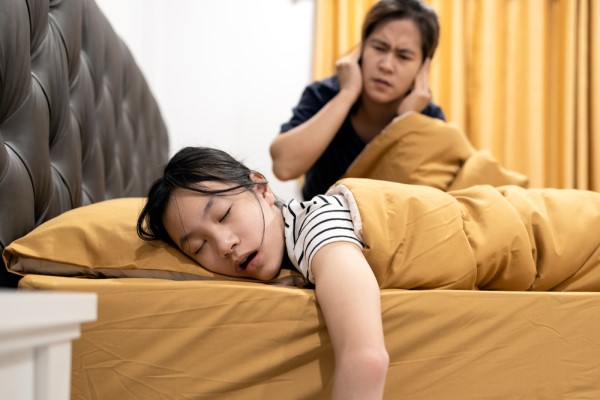
Approximately 25 million adults in the United States experience obstructive sleep apnea. This sleep disorder can go unnoticed until the symptoms become debilitating. Not knowing about the disease is one of the main reasons people do not receive adequate treatment.
What to know about the condition
Obstructive sleep apnea is a chronic sleep disorder that occurs when the upper airway becomes blocked while a person is asleep. Breathing may stop often while sleeping and the person may snort, gasp loudly or experience body jerks after breathing again. The end result is low oxygen levels and disrupted sleep, which can trigger serious health problems.
Cause
This disorder is usually caused by pharyngeal muscles relaxing during sleep, which then collapse and block the airway. It can also happen when the throat becomes narrow. Swollen tonsils, an abnormally long or flaccid epiglottis, obesity, heart failure and diseases of the endocrine system can be contributing factors as well.
Risk factors
A large tongue, high blood pressure or family history can be risk factors for this condition. These factors are also common:
- Older age
- Asthma
- Male gender
- Smoking
- Alcohol use
- Diabetes
- Being overweight
- Narrow or small airways
Race and ethnicity can play a role, as Hispanics, blacks and Native Americans are at higher risk.
Symptoms
Fatigue, depression, daytime sleepiness, sore throat or dry mouth are often symptoms of sleep apnea. Snoring, memory loss, low sex drive, night sweats and waking up and choking or gasping can also occur.
Complications
If untreated, this medical problem can result in serious health issues, including chronic acid reflux, glaucoma or dry eye, diabetes, heart disease, stroke, high blood pressure. During pregnancy it can lead to issues resulting in low birth weights in babies or gestational diabetes.
Diagnosis
Dentists may be able to do a preliminary diagnosis by asking their patients whether they are feeling lethargic or are experiencing dry mouth or morning headaches. If it is suspected, a sleep specialist may perform the necessary studies to assess the condition and make recommendations.
Treatment
Many dentists receive training to treat the condition. Depending on the severity, the remedy may be as simple as making behavioral changes, including changing sleeping position, quitting smoking or losing weight.
A custom-fit dental appliance that resembles an athletic mouthguard may also be recommended. These devices reposition the tongue and jaw to improve airflow. Over 100 oral appliances have been approved by the FDA, which gives dentists the flexibility of finding one that is a good fit.
Severe sleep apnea may require treatment like sleeping with a continuous positive airway pressure system, which supplies a constant flow and keeps the airway open by delivering air through a small mask. Other options include surgery or an implant that stimulates the hypoglossal nerve.
Conclusion
Obstructive sleep apnea is a serious and often a silent health problem that can be successfully treated to prevent more major health complications. Many dentists are trained to manage the disorder. If you are experiencing the symptoms related to this medical issue, do not hesitate to discuss them with your dentist.
Request an appointment here: https://www.drscottdlurie.com or call Dr. Scott D. Lurie at (732) 227-4814 for an appointment in our East Brunswick office.
Check out what others are saying about our dental services on Yelp: Sleep Apnea in East Brunswick, NJ.
Related Posts
There are several treatment options available for patients with sleep apnea. For some, CPAP machines may be an ideal solution, although more patients are using dental appliances in place of their CPAP machines. The following is a review of available treatment options for sleep apnea and how to choose the one that works best. Two common…
Dental practices provide essential oral health services to patients of all ages. These services range from preventive and restorative treatments to cosmetic and emergency procedures. Understanding the types of care available at a general dental practice can help patients make informed decisions about their oral and overall health.Preventive care is a cornerstone of dental practice…
While patients can receive the immediate care they need during a dental emergency, they may still struggle with stress and some pain following the appointment. Thus, you need to follow specific guidelines from the emergency dentist to boost your recovery. One of the most important aspects is following specific dietary restrictions to prevent potential complications…
Seeking an emergency dentist immediately after a dental injury can help prevent further complications and ensure proper treatment. Whether a tooth is chipped, cracked, or knocked out, taking the right precautions is essential for preserving oral health. However, some actions can worsen the damage or delay healing. To protect the teeth and avoid additional harm,…