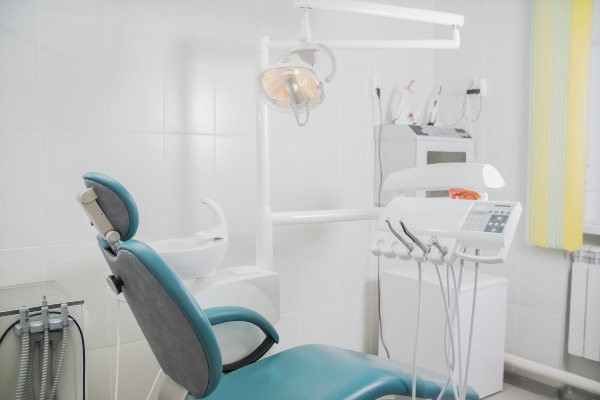
 Dental practices continue to serve as reliable sources of information for individuals seeking to maintain optimal oral health. However, myths often cloud the decision-making process related to daily care, recommended procedures, and overall dental well-being. Dr. Scott D. Lurie seeks to debunk the five most common dental myths to help people regain control over their oral health.
Myth 1: Harder brushing cleans better
Some people believe that forceful brushing removes plaque more effectively. In reality, firm pressure can irritate the gums and wear down tooth enamel, leading to sensitivity and other complications. A dental practice emphasizes the importance of gentle brushing with a soft-bristled or medium-bristled brush in some cases to ensure a thorough clean without harming the gums. A short, circular motion along the gum line effectively eliminates plaque while protecting enamel.
Myth 2: Bleeding gums are normal during brushing
When gums bleed during brushing or flossing, some assume it is a sign of routine oral care. However, bleeding gums often indicate inflammation or gingivitis, which may progress if left unaddressed. A visit to a dental practice provides an opportunity to assess gum health and discuss steps for improvement. Dentists frequently recommend proper brushing and flossing techniques, along with professional cleanings, to manage gum inflammation and prevent more serious conditions.
Myth 3: Sugar is the only cause of cavities
Though understandable, there is a misconception that sugar is the sole cause of cavities. While it is the number one contender, carbohydrates, informally known as carbs, can feed bacteria that produce harmful acids. Foods high in starch, such as bread and pasta, may also contribute to tooth decay if oral hygiene is inadequate. Dental practice professionals advise balanced dietary habits and consistent brushing to control plaque buildup. Drinking water regularly and minimizing frequent snacking further support cavity prevention.
Myth 4: Chewing gum replaces oral hygiene techniques
Sugar-free gum can help freshen breath and increase saliva flow, which aids in cleaning the mouth. However, it does not provide the comprehensive benefits of brushing and flossing. Saliva alone cannot remove plaque or food particles lodged between teeth. Regular brushing, flossing, and professional cleanings at a dental practice remain essential for preventing tartar formation, tooth decay, and gum disease.
Myth 5: Routine visits are unnecessary
Certain individuals assume dental checkups are only necessary when pain or noticeable problems arise. However, routine visits are vital for detecting early signs of gum disease, cavities, and other issues, before they escalate into severe conditions. Regular exams and cleanings at a dental practice help maintain oral wellness, reduce the need for invasive procedures, and ensure that small problems do not become more serious concerns.
Call us for more information
A dental practice provides accurate guidance for avoiding misinformation about oral health. The above myths can harm your oral health more than you may realize, and hopefully, this article helped debunk them. If you have more questions regarding your oral health or wish to schedule an appointment, contact Dr. Scott D. Lurie.
Request an appointment or call Dr. Scott D. Lurie at 732-227-4814 for an appointment in our East Brunswick office.
Related Posts
A dental practice is where you turn when something feels wrong with your teeth or gums. Knowing when to call a dentist can help prevent small problems from damaging your oral health. Many people wait too long to get help, which can lead to more pain and more complex treatments. Learning the signs that need…
You are not alone if your busy schedule has prevented you from making regular visits to a dental practice. Though dental visits are important for oral health, people often put them off for a number of reasons, such as a lack of time. However, the following are signs that it is time to prioritize getting…
Helping younger patients establish healthy dental habits starts with the right environment and guidance. From the first visit, a dental practice has the opportunity to set the stage for positive oral care habits that will last into adulthood. The approach taken during these early years can make a big difference in how children view oral…