How Teeth Whitening Targets Discoloration and Stain
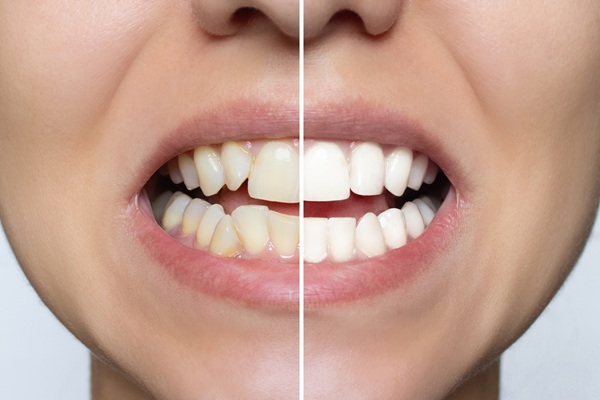
Teeth whitening is a popular cosmetic dental treatment. This procedure can effectively brighten your smile by addressing discoloration and stains. By understanding how teeth whitening targets stains, you can see how the process can restore your teeth to a cleaner and more youthful appearance.
Common causes of tooth discoloration and stains
Tooth discoloration can occur for several reasons, and identifying the source is an important step in professional teeth whitening treatment. External stains, also known as extrinsic or surface stains, form on the surface of teeth due to substances such as:
- Coffee
- Tea
- Red wine
- Dark sodas
- Smoking and other tobacco use
- Tomato-based sauces
These pigments build up over time, making teeth appear yellow or brown.
Meanwhile, intrinsic stains occur beneath the surface of the enamel. These deep stains may result from aging, excessive fluoride intake, trauma, or taking certain medications. Due to intrinsic discoloration being deeper within the tooth, these stains are often more resistant to surface-level cleaning methods.
How teeth whitening works
Teeth whitening treatments function through bleaching agents that break down stains. Most professional whitening systems use hydrogen peroxide or carbamide peroxide as the active ingredient. When applied, these agents penetrate the enamel and react with the discolored molecules inside the tooth structure.
The process involves oxidation, where oxygen molecules target pigmented compounds and break them apart. This reduces the concentration of discoloration and brightens the tooth color. By directly addressing stains at the molecular level, whitening provides results that cannot be achieved by brushing alone.
Professional teeth whitening versus over-the-counter options
Professional whitening treatments, administered by a dental professional, typically provide faster and more noticeable results. Dentists use stronger bleaching agents under controlled conditions, ensuring that the treatment is both safe and effective. They also prescribe take-home whitening trays, allowing patients to access professional-level teeth whitening from the comfort of their own home.
Meanwhile, over-the-counter whitening products, such as strips, gels, or toothpastes, use lower concentrations of active ingredients. While these may help with mild surface stains, they generally require more time and consistency to show visible changes. They are also one-size-fits-all, meaning that patients do not receive the same level of personalized care as they would through professional whitening treatment.
Factors that influence teeth whitening success
The outcome of teeth whitening depends on several factors. For example, surface stains caused by food, drinks, or tobacco typically respond well to professional teeth whitening treatment. In contrast, intrinsic (deep) stains may require multiple whitening sessions or additional cosmetic procedures, such as dental bonding or veneers, to achieve the patient's treatment goals.
Additionally, the natural shade of the patient's teeth and overall health can influence the effects of professional teeth whitening. It is important to note that dental restorations, such as fillings, crowns, and dental bonding, do not whiten. This means that the patient may need periodic adjustments to achieve more natural-looking results.
How to maintain teeth whitening results
After teeth whitening, patients need to follow consistent oral hygiene and mindful habits. They should limit exposure to staining substances, such as dark beverages and tobacco. Avoiding these agents can preserve the teeth's new brightness level. Regular dental cleanings can also remove new surface buildup before it becomes difficult to treat.
Dr. Scott D. Lurie offers teeth whitening in the East Brunswick area
Teeth whitening chemically breaks down stains and discoloration that affect the natural brightness of your teeth. Through professional whitening treatment, you can achieve a noticeably whiter smile. Dr. Scott D. Lurie offers teeth whitening in East Brunswick and the surrounding area. Reach out to our office to schedule a consultation.
Request an appointment here: https://www.drscottdlurie.com or call Dr. Scott D. Lurie at (732) 227-4814 for an appointment in our East Brunswick office.
Check out what others are saying about our dental services on Yelp: Teeth Whitening in East Brunswick, NJ.
Related Posts
Dental practices provide essential oral health services to patients of all ages. These services range from preventive and restorative treatments to cosmetic and emergency procedures. Understanding the types of care available at a general dental practice can help patients make informed decisions about their oral and overall health.Preventive care is a cornerstone of dental practice…
While patients can receive the immediate care they need during a dental emergency, they may still struggle with stress and some pain following the appointment. Thus, you need to follow specific guidelines from the emergency dentist to boost your recovery. One of the most important aspects is following specific dietary restrictions to prevent potential complications…
Seeking an emergency dentist immediately after a dental injury can help prevent further complications and ensure proper treatment. Whether a tooth is chipped, cracked, or knocked out, taking the right precautions is essential for preserving oral health. However, some actions can worsen the damage or delay healing. To protect the teeth and avoid additional harm,…
Routine visits to a dental practice offer numerous benefits that go beyond simply keeping teeth clean. Staying on top of regular care helps prevent bigger issues down the road. Whether it is a basic checkup or specialized treatment, frequent visits to a dental practice can greatly contribute to better oral health and general well-being.Regular treatment…